Hello! I'm delighted to provide you with exclusive one-on-one consultation.
How can I assist you?
What is the process and cost of egg freezing?


During the process of preparing for pregnancy, many families who decide to pursue assisted reproduction may feel unfamiliar with the medical term “starting an IVF cycle.” From ovarian stimulation and egg retrieval to embryo transfer, every stage can be filled with uncertainty, and scattered information online can easily increase anxiety. Understanding the complete IVF cycle in the US, Mexico, and Japan can help families prepare in advance, reduce impulsive decisions, and make the journey toward parenthood clearer and more manageable.
What Does Starting an IVF Cycle Mean?
Starting an IVF cycle means officially entering an IVF treatment cycle, including ovarian stimulation, egg retrieval, fertilization, embryo culture, and embryo transfer. Both partners need to maintain a positive mindset, follow the doctor’s treatment plan, maintain a balanced diet, and exercise moderately. IVF in the US, Mexico, and Japan places greater emphasis on individualized treatment planning. Starting ovarian stimulation in China before traveling overseas for egg retrieval can make scheduling more flexible and significantly reduce the impact on daily life.
Key Preparations During Ovarian Stimulation
Ovarian stimulation is a core stage of the cycle. Doctors adjust medication dosages according to individual hormone levels and ovarian response, and the process usually lasts around 10–12 days. During this period, medications should be taken as prescribed, strenuous exercise should be avoided, and a regular sleep schedule should be maintained. IVF in the US, Mexico, and Japan supports starting ovarian stimulation domestically, with medications delivered directly to the home, reducing the need for frequent travel. Emotional stability and physical and mental comfort are important during ovarian stimulation, while a balanced diet and adequate sleep can also support egg quality.
What to Know About Egg Retrieval and Fertilization
Egg retrieval is usually performed under general anesthesia, takes approximately 10–20 minutes, and patients can rest after a brief period of observation. Men should adjust their lifestyle in advance, stop smoking, limit alcohol consumption, and avoid high-temperature environments to support sperm quality. After fertilization, the laboratory uses advanced culture systems to support embryo development to the blastocyst stage. For families planning egg freezing in the US, Mexico, and Japan, this stage is equally important, as high-quality eggs can be frozen and stored in advance to provide support for future cycles.
Embryo Transfer and Follow-Up Care
Embryo transfer is the final key stage of the cycle. Doctors select the optimal timing according to the condition of the uterus. After transfer, prescribed medications should be taken as directed, while strenuous activity and actions that increase abdominal pressure should be avoided. Moderate rest can support recovery, but prolonged bed rest is unnecessary. Many people repeatedly search for symptoms while waiting for a pregnancy test, yet physical responses vary from person to person. Scientific aftercare is more reassuring than blindly restricting daily activities.
In IVF in the US, Mexico, and Japan, IVF-PGT uses genetic screening to comprehensively test embryos for chromosomal abnormalities before transfer and select embryos with better developmental potential. This step is particularly recommended for families of advanced maternal age or those with a history of miscarriage. It can reduce the risk of miscarriage associated with chromosomal abnormalities and improve overall pregnancy efficiency and healthy live birth rates. Combined with high-quality laboratory culture, it can further optimize outcomes and provide greater support throughout the pregnancy preparation process.
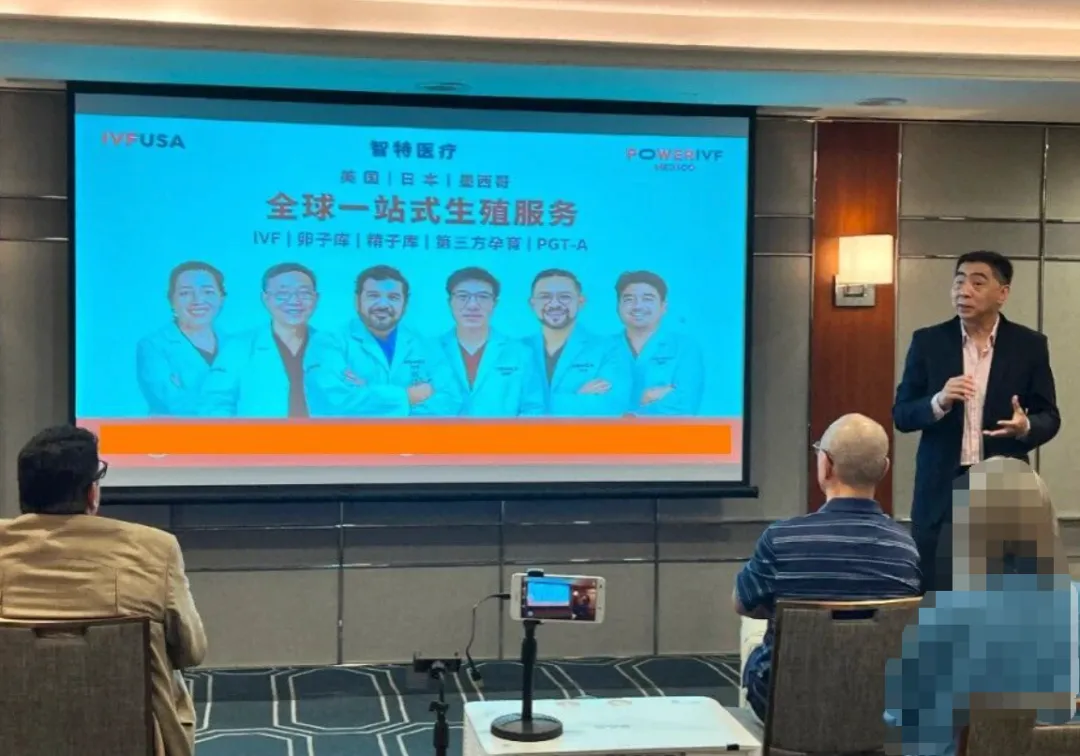
The team founded by Dr. Nathan Zhang has been engaged in overseas assisted reproductive consultation services for more than ten years, providing services such as egg freezing in the United States, IVF in the United States, and third-party assisted reproduction for those in need. With nearly 20 years of experience in the field of overseas assisted reproduction, IVF USA established an early presence in the Mexican market based on the diverse and individualized nature of reproductive needs and became the Chinese representative of Power Fertility Center Mexico POWER Reproductive Center (POWER IVF). Dr. Nathan Zhang’s business has now expanded beyond the United States to include IVF and egg freezing in Mexico, IVF and egg freezing in Japan and Thailand, as well as services in Taiwan and Hong Kong. With years of experience in overseas assisted reproduction, the teams of IVF USA and Dr. Nathan Zhang help more people navigate their reproductive plans at different stages of life and move step by step toward the goal of building a healthy and complete family.


Online Customer Service

In-Vitro Fertilization (IVF)
Female Egg Freezing

Fertility Assessment

Scan for Consultation

Back to Top