


您好!很高兴为您提供一对一的专属咨询。
请问有什么可以帮您?
冻卵的流程和价位是什么?


Whether an embryo can continue developing is an important factor in the outcome of embryo transfer. After egg retrieval, not every egg can be successfully fertilized, and not every fertilized egg can develop into a blastocyst. Therefore, IVF should not be evaluated only by the number of eggs retrieved. Fertilization, embryo development, and the number and quality of blastocysts ultimately formed also need to be considered.
For people planning IVF-PGT, IVF-PGT is also an important part of overall embryo planning. By performing genetic testing on embryos at the appropriate stage, information about chromosomes and relevant genetic factors can be obtained, providing additional information for subsequent embryo selection and transfer.
The Endometrial Environment Is Also Important
An embryo needs a suitable endometrial environment for implantation. Therefore, before embryo transfer, the uterine environment is generally evaluated based on factors such as ultrasound findings, hormone levels, and medical history.
Conditions such as uterine fibroids, endometrial abnormalities, and intrauterine adhesions may affect embryo transfer and implantation. When such problems are identified, a doctor should first determine whether further evaluation or treatment is needed, rather than relying solely on dietary or lifestyle adjustments.
Why Do Fallopian Tube Problems Also Deserve Attention?
For natural conception, the fallopian tubes play an important role in allowing the egg and sperm to meet and transporting the early embryo. However, during IVF, fertilization has already taken place outside the body, so a simple blockage of the fallopian tubes generally does not directly prevent embryo transfer.
However, conditions such as hydrosalpinx require attention. Certain fallopian tube conditions may affect the uterine environment and embryo transfer. Whether treatment is necessary should be determined by a doctor based on examination results.
Is It Better to Stay in Bed Longer After Embryo Transfer?
This is a common misconception during preconception.
After embryo transfer, it does not mean that prolonged bed rest is necessary to help implantation. Normal daily activities generally do not need to be completely stopped. What is truly important is taking medications according to the doctor’s instructions, avoiding strenuous activity, and promptly paying attention to any unusual symptoms.
There Is Also No Need to Seek Out “Implantation-Boosting Foods”
Foods such as pumpkin, eggs, and soy can certainly be part of a balanced diet, but their nutritional content does not mean that they can directly increase the embryo implantation rate.
During preconception, greater attention should be paid to overall nutrition, regular sleep, moderate exercise, and avoiding smoking and alcohol. For people undergoing treatment, large amounts of hormone products or dietary supplements should also not be taken without professional guidance.
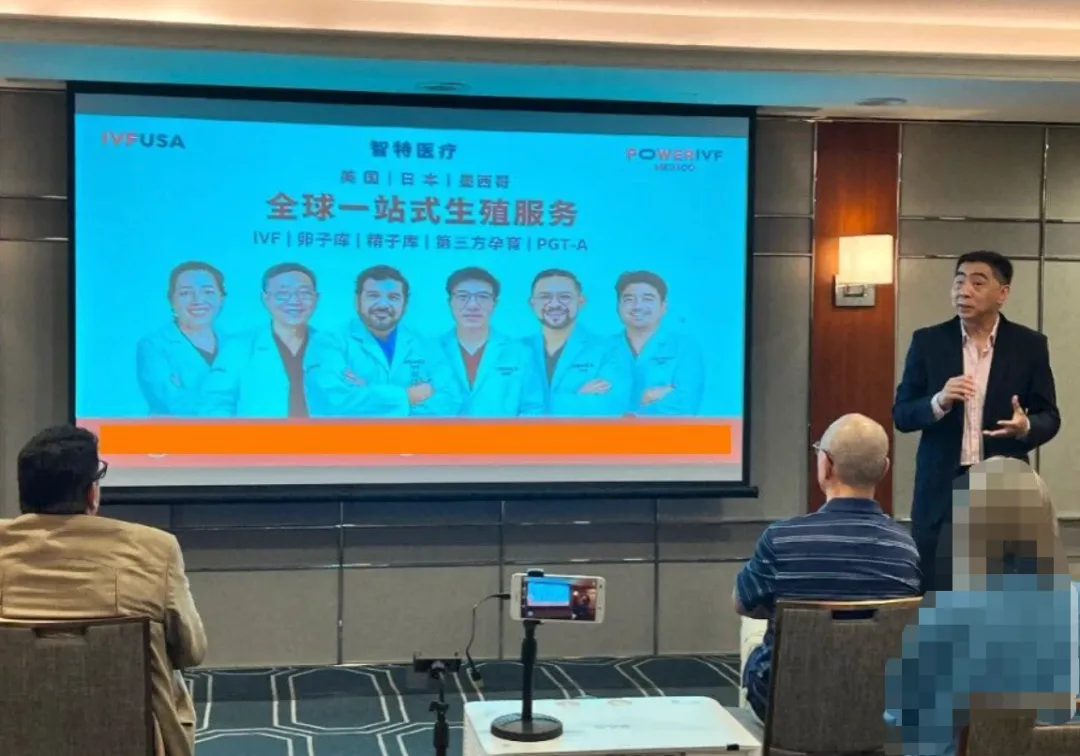
From egg freezing to embryo formation and then embryo transfer, every step involves details that deserve attention. Dr. Nathan Zhang founded the IVF USA team, which has been engaged in overseas assisted reproductive consulting services for more than ten years, providing U.S. egg freezing, U.S. IVF, and third-party assisted reproductive services to those in need. With nearly 20 years of experience in the field of overseas assisted reproduction, IVF USA entered the Mexico market early based on the diversification and personalization of reproductive needs, becoming the Chinese agent for Power Fertility Center, Mexico POWER Reproductive Center (POWER IVF). Dr. Nathan Zhang’s services have now expanded beyond the U.S. to include IVF and egg freezing in Mexico, IVF and egg freezing in Japan and Thailand, as well as services in Taiwan and Hong Kong. We look forward to beginning this journey of life with you!