Hello! I'm delighted to provide you with exclusive one-on-one consultation.
How can I assist you?
What is the process and cost of egg freezing?


High work pressure, prolonged sitting, frequent takeout meals, late nights, and diets high in oil and sugar have become part of daily life for many men. When difficulties conceiving arise, the first reaction is often to examine the woman’s ovaries and uterus, while overlooking the man’s own reproductive health. In fact, diet, body weight, and metabolic status may all be associated with semen quality.
Why Does Diet Affect Male Fertility?
Sperm production is an ongoing process and is relatively sensitive to the body’s hormonal environment, nutritional status, and metabolic condition. Long-term diets high in fat and sugar may increase the risk of metabolic problems such as obesity and insulin resistance, which may in turn affect male hormone levels and testicular function.
Another factor that is easily overlooked is oxidative stress. Sperm cell membranes contain relatively high levels of unsaturated fatty acids and are therefore relatively sensitive to oxidative damage. When reactive oxygen species levels in the body are too high, they may affect sperm motility, morphology, and DNA integrity. For people preparing for pregnancy, this is also why it is important not to focus only on “sperm count.”
Chronic inflammation may also play a role. Long-term unhealthy dietary patterns are associated with metabolic abnormalities, while persistent inflammation and oxidative stress may further affect the reproductive system’s microenvironment.
Semen Analysis Should Not Focus on Just One Number
When pregnancy has not occurred after an extended period of trying, men can begin with a basic semen analysis. Common parameters include semen volume, sperm concentration, total sperm count, progressive motility, and sperm morphology.
An abnormal result does not mean that natural conception is necessarily impossible, nor can a single test provide a definitive conclusion. Sperm production takes time, so doctors generally consider medical history, lifestyle factors, and follow-up test results when making an overall assessment.
Where Can Dietary Changes Begin?
During the preconception period, rather than suddenly adopting an extreme diet, it is more practical to adjust long-term habits.
Daily meals can include more vegetables, fruits, whole grains, fish, eggs, and nuts to ensure adequate intake of protein, vitamins, and minerals, while reducing long-term excessive consumption of sugary drinks, fried foods, and highly processed foods.
Weight management is also worth emphasizing. Excess body fat may be associated with abnormal hormone metabolism and changes in semen quality, while regular exercise can help improve metabolic health. At the same time, sleep, smoking, alcohol consumption, and prolonged sitting should also be considered as part of the preconception plan.
What If There Is Still No Result After Improving the Diet?
In assisted reproductive treatment, second-generation IVF technology, ICSI, can inject a single sperm directly into an egg to help achieve fertilization. After the embryo continues to develop to the blastocyst stage, IVF-PGT, also known as third-generation IVF embryo genetic testing, can be performed to analyze the chromosomal status of embryos and provide more information for subsequent embryo selection and transfer.
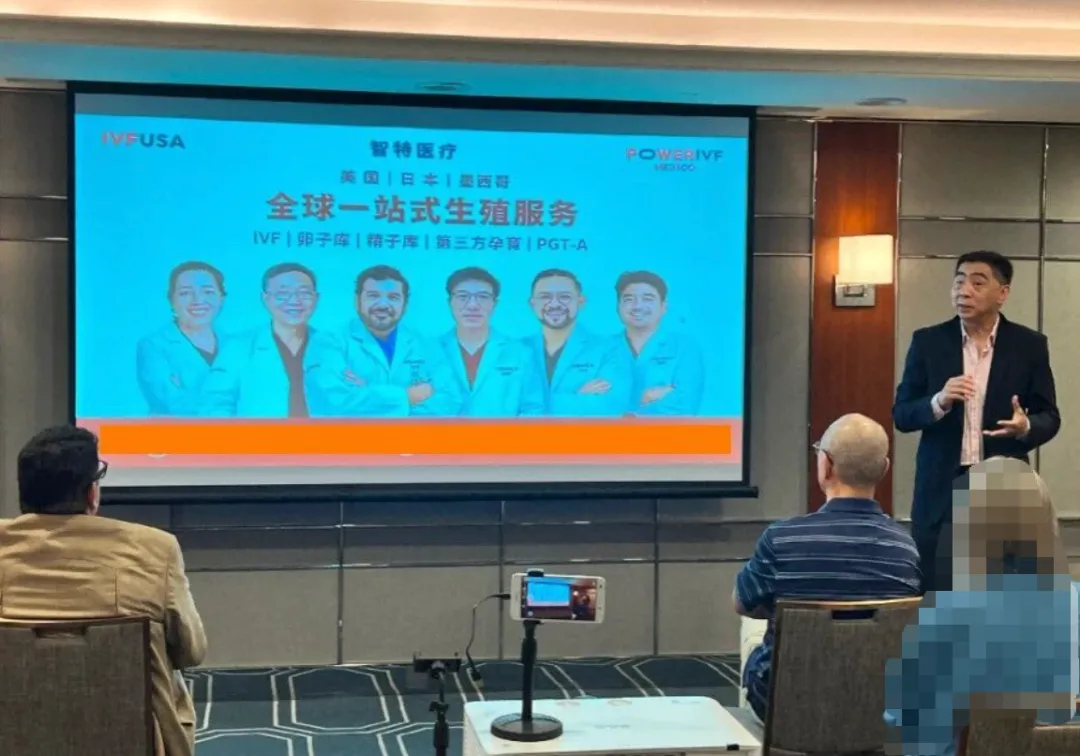
The IVF USA team founded by Dr. Nathan Zhang has been engaged in overseas assisted reproductive consultation services for more than ten years, providing services including egg freezing in the United States, IVF in the United States, and third-party assisted reproduction for those in need. With nearly 20 years of experience in the field of overseas assisted reproduction, IVF USA recognized the diversity and personalization of reproductive needs and entered the Mexican market early, becoming the Chinese representative of Power Fertility Center Mexico POWER Fertility Center (POWER IVF). Dr. Nathan Zhang’s business has now expanded beyond the United States to include IVF and egg freezing in Mexico, IVF and egg freezing in Japan and Thailand, as well as services in Taiwan and Hong Kong, helping more families achieve their dreams of having children and allowing a new chapter of life to begin sooner.


Online Customer Service

In-Vitro Fertilization (IVF)
Female Egg Freezing

Fertility Assessment

Scan for Consultation

Back to Top