Hello! I'm delighted to provide you with exclusive one-on-one consultation.
How can I assist you?
What is the process and cost of egg freezing?


As the age at which people have children continues to rise, egg freezing has gradually evolved from a relatively unfamiliar medical technology into an option that some women consider when planning for future fertility. Especially for women who do not currently plan to have children and want to focus on completing their education or developing their careers first, it has become increasingly common to learn about the requirements, age-related factors, and medical process involved in egg freezing.
What Conditions Are Required for Egg Freezing?
Egg freezing is not simply a matter of going to a hospital for a single procedure. Before officially entering a cycle, a basic physical examination and fertility assessment are usually required.
Common tests include AMH, baseline hormone levels, antral follicle count, and gynecological ultrasound. These tests are mainly used to assess ovarian reserve and help doctors determine how the ovaries may respond during ovarian stimulation.
In addition to physical examinations, documentation such as identification and medical records may be required depending on the regulations of the country or region where the egg freezing takes place. If you choose to freeze your eggs overseas, you should also confirm the specific local regulations regarding single women, sample storage, and future use.
Why Is Age an Important Factor in Egg Freezing?
Many people begin considering having children only after their careers have become more stable, but female fertility does not change according to the pace of a career plan.
As age increases, ovarian reserve gradually declines, and egg quality may also change. Therefore, the purpose of egg freezing is not to completely eliminate the effects of age, but to preserve some eggs at a stage when their condition is relatively favorable, creating an additional possibility for future use.
It is important to note that the number of frozen eggs cannot simply be equated with the number of children that can definitely be conceived in the future. After thawing, the eggs still need to undergo fertilization and embryo culture, and the number of embryos that ultimately become suitable for transfer can be affected by multiple factors.
What Are the Main Steps of Egg Freezing?
After deciding to enter an egg freezing cycle, ovarian stimulation is usually performed first. Doctors use medications to promote the simultaneous development of multiple follicles and continuously monitor the cycle through ultrasound and hormone testing.
When the follicles reach an appropriate stage of development, egg retrieval is scheduled. After the retrieved eggs are assessed for maturity, they can be preserved using vitrification.
When the frozen eggs are actually needed in the future, they must undergo thawing, fertilization, and embryo culture. If the embryos develop to the blastocyst stage, IVF-PGT, also known as IVF-PGT embryo genetic testing, can be performed to analyze the embryos' chromosomal status and provide more information for subsequent embryo selection and transfer.
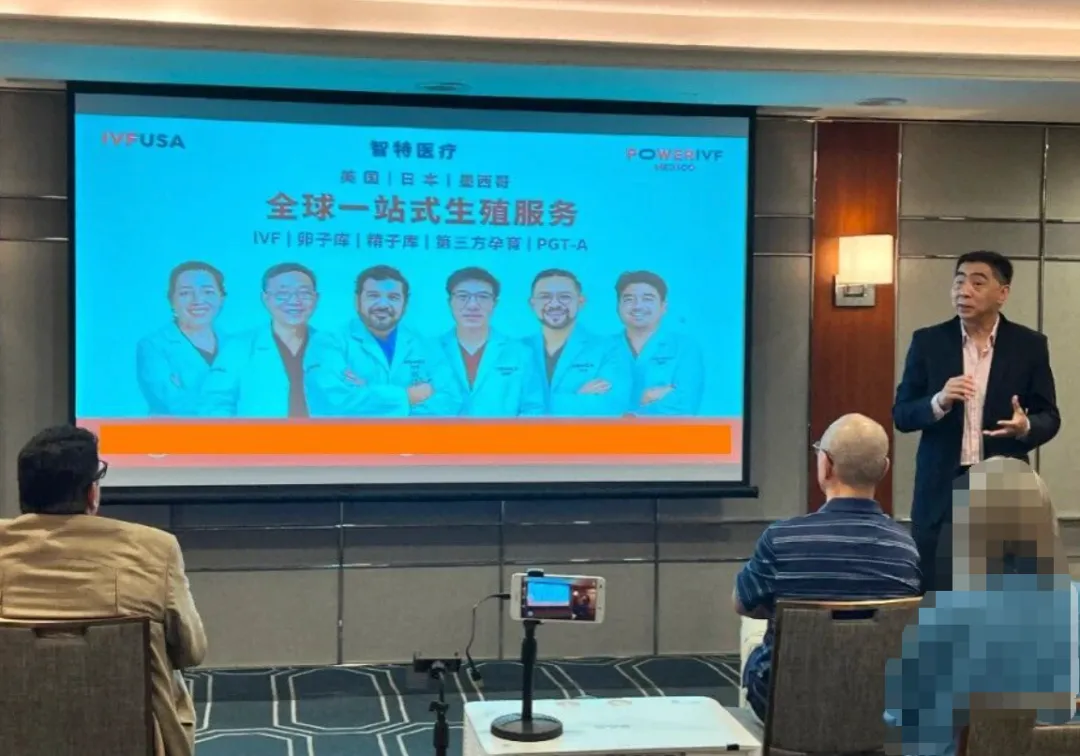
If you are comparing different paths such as IVF in the United States, Mexico, and Japan or egg freezing in the United States, Mexico, and Japan, you can also consider egg freezing together with your future IVF plans. The team founded by Dr. Nathan Zhang at IVF USA has been engaged in overseas assisted reproductive consultation services for more than ten years, providing services including egg freezing in the United States, IVF in the United States, and third-party assisted reproduction for those in need. With nearly 20 years of experience in the field of overseas assisted reproduction, IVF USA recognized the diversification and individualization of reproductive needs and established an early presence in the Mexican market, becoming the Chinese representative of Power Fertility Center, Mexico POWER Fertility Center (POWER IVF). Dr. Nathan Zhang's services have now expanded beyond the United States to include IVF and egg freezing in Mexico, IVF and egg freezing in Japan and Thailand, as well as services in Taiwan and Hong Kong. For those who want to plan their reproductive timeline in advance, starting with their age, ovarian reserve, and future plans, and then learning about the overseas reproductive medical pathways provided by Dr. Nathan Zhang and IVF USA can make it easier to find a planning direction that suits their individual needs.


Online Customer Service

In-Vitro Fertilization (IVF)
Female Egg Freezing

Fertility Assessment

Scan for Consultation

Back to Top