


您好!很高兴为您提供一对一的专属咨询。
请问有什么可以帮您?
冻卵的流程和价位是什么?


With the implementation of the two-child policy, many families are reconsidering the possibility of having a second child. However, challenges such as advancing age and limited fertility conditions have left many couples feeling uncertain. Recently, someone raised this question: “If I’ve previously undergone tubal ligation, can I still conceive again using IVF?”
The answer is yes. Tubal ligation is not a barrier to IVF. While the fallopian tubes play a crucial role in natural conception by acting as a passageway for sperm and eggs to meet, a ligated tube severs this connection, preventing fertilization and embryo formation. However, IVF technology circumvents the need for functional fallopian tubes. Through in vitro fertilization (IVF), eggs and sperm are combined in a laboratory setting to form embryos. These embryos are then cultured for 3 to 5 days (or 5 to 7 days in the case of IVF-PGT) and, after genetic screening, are transferred to the uterus to achieve pregnancy.
In fact, tubal ligation is just one of many conditions where IVF may be considered. Other fallopian tube-related issues, such as blockage, removal, or dysfunction, can also be resolved through IVF. This technology breaks the constraints of natural conception, offering hope to families unable to conceive due to tubal factors.
That said, it is also worth asking: do all women with tubal ligation need to undergo IVF? The answer is no. Before the widespread availability of IVF, tubal repair surgery was a common solution. This procedure reconnects the ligated fallopian tubes, restoring their natural function. However, given the relatively low success rates of such surgeries, combined with factors like the patient’s age and overall health, natural conception post-repair might not yield ideal results. Comparatively, for older women or families seeking a more reliable and efficient path to pregnancy, IVF in the U.S., Mexico, and Japan technology stands out as a better option.
It is especially important to highlight that the advantages of IVF-PGT extend beyond addressing tubal issues. By performing genetic screening and diagnosis, this advanced technique can effectively prevent more than 120 genetic conditions while significantly improving the success rate of embryo implantation. Its application not only makes conception possible for many families but also reduces the risks of miscarriage and pregnancy loss, offering a more secure path to welcoming new life.
For couples facing tubal ligation or other fallopian tube issues, IVF may be the more practical solution.
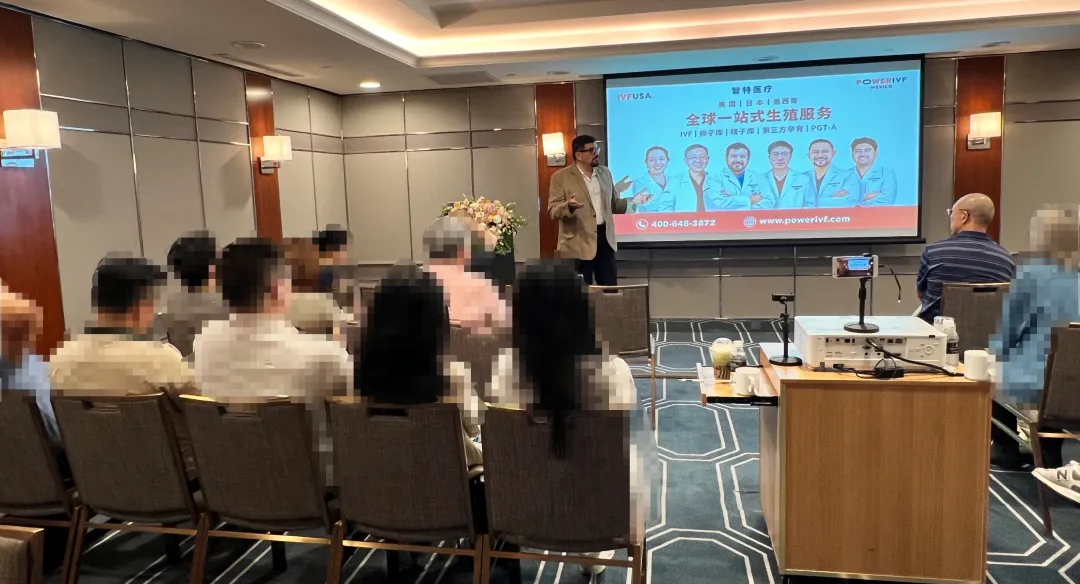
If you have further questions about IVF or wish to learn more about solutions for tubal issues, IVF and Dr. Nathan Zhangare here to provide professional guidance and services. Dr. Nathan Zhang (Dr.Nathan zhang) established the IVF USA team, which has been engaged in overseas assisted reproduction consulting services for more than ten years, providing US egg freezing, US IVF, and third-party assisted reproduction services for people in need. IVF USA, which has been deeply engaged in the overseas assisted reproduction field for nearly 20 years, based on the diversification and personalization of reproductive needs, laid out the Mexican market early and became the agent in China for Power Fertility Center Mexico POWER Reproductive Center (POWER IVF). Currently Dr. Nathan Zhang’s business has expanded to Mexico IVF and egg freezing outside the US, Japan and Thailand IVF and egg freezing, as well as Taiwan, Hong Kong and other regions, Let us support you on your journey to bringing new life into the world.