


您好!很高兴为您提供一对一的专属咨询。
请问有什么可以帮您?
冻卵的流程和价位是什么?


An embryo’s developmental potential is closely related to subsequent implantation. Even when multiple fertilized eggs are obtained, not every embryo can continue developing to the blastocyst stage. During laboratory culture, embryos undergo continuous cell division and developmental selection, and the number of embryos that ultimately develop into blastocysts usually decreases further.
Embryonic chromosomal abnormalities are also an important factor affecting embryo development and pregnancy. For people undergoing IVF in the U.S., Mexico, and Japan, after embryos are cultured to the blastocyst stage, IVF-PGT, also known as IVF-PGT embryo genetic testing, can further analyze the embryos’ chromosomal status and provide more detailed information for subsequent embryo selection. As the age at which people prepare for pregnancy continues to increase, embryo genetic testing is receiving growing attention.
The Endometrium Should Not Be Overlooked
Having an embryo with developmental potential does not mean that it will necessarily implant successfully after transfer. The endometrium provides the important environment in which implantation takes place. Its thickness, morphology, and coordination with hormonal changes all need to be assessed based on the specific cycle.
Therefore, before embryo transfer, doctors usually use ultrasound examinations and relevant hormone tests to evaluate the condition of the endometrium and determine an appropriate transfer time based on embryo development. If repeated embryo transfers do not result in pregnancy, further evaluation of uterine structure, endometrial condition, and previous treatment history is also necessary, rather than simply attributing the outcome to “poor embryo quality.”
What Is the Relationship Between Age and Egg Quality?
As a woman’s reproductive age increases, ovarian reserve and egg quality may change, while the probability of chromosomal abnormalities in embryos may also increase. Therefore, for people preparing for pregnancy at an older age, when planning IVF or egg freezing in the U.S., Mexico, and Japan, it is even more important to consider the complete process from egg retrieval, mature eggs, and fertilization to blastocyst development.
A low number of eggs retrieved in a single cycle does not mean that there is ultimately no chance of obtaining transferable embryos. What truly needs to be evaluated includes the number of mature eggs, fertilization rate, blastocyst development, and IVF-PGT results. Each stage involves a certain degree of natural selection, so the final outcome cannot be determined solely by the initial number of eggs retrieved.
What Should You Pay Attention to After Embryo Transfer?
After embryo transfer, long-term bed rest is generally not necessary. Normal daily activities can usually continue according to the doctor’s recommendations, but strenuous exercise and activities that significantly increase physical strain should be avoided. Medications such as luteal support should also be used regularly according to the doctor’s instructions. Do not stop medication or change the dosage on your own simply because you do not have any symptoms at the moment.
At the same time, abdominal sensations, breast tenderness, or a small amount of discharge should not be used as indicators of whether implantation has been successful. These changes may be related to medications and hormone levels, while some people experience almost no noticeable symptoms in the early stages. Ultimately, pregnancy should be confirmed through blood β-hCG testing and other examinations according to the reproductive doctor’s schedule.
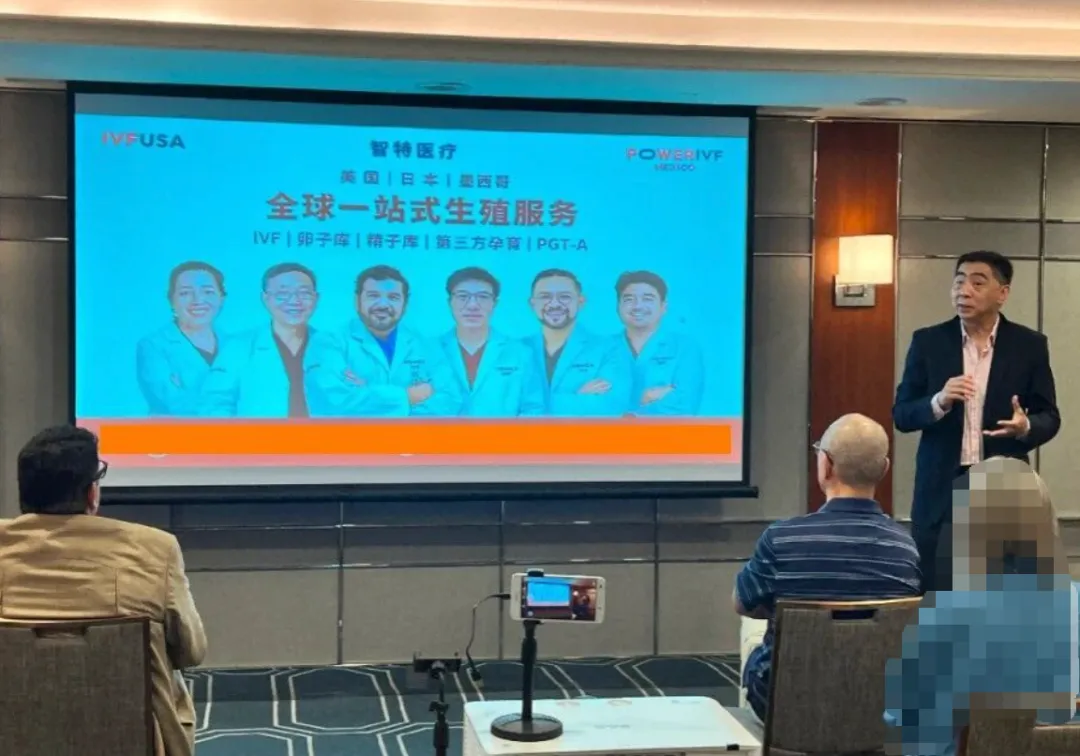
The team founded by Dr. Nathan Zhang at IVF USA has been providing overseas assisted reproductive consultation services for more than ten years, offering U.S. egg freezing, U.S. IVF, and third-party reproductive services to those in need. With nearly 20 years of experience in the overseas assisted reproduction field, IVF USA recognized the diversity and individualization of reproductive needs and established an early presence in the Mexican market, becoming the Chinese representative of Power Fertility Center, Mexico POWER Fertility Center (POWER IVF). Dr. Nathan Zhang’s services have now expanded beyond the United States to include IVF and egg freezing in Mexico, IVF and egg freezing in Japan and Thailand, as well as Taiwan and Hong Kong, dedicated to creating the best possible fertility journey for you.