


您好!很高兴为您提供一对一的专属咨询。
请问有什么可以帮您?
冻卵的流程和价位是什么?


As the age of childbearing continues to rise, more and more people are beginning to consider a practical question before preparing for pregnancy: if there are no immediate plans to have a child, how can more options be preserved for the future? Egg freezing can help preserve a woman's eggs from a relatively younger stage, while IVF provides a more comprehensive technical pathway for future reproduction.
From egg freezing to IVF, the complete process usually involves multiple stages, including preliminary examinations, ovarian stimulation, egg retrieval, fertilization, embryo culture, IVF-PGT, and embryo transfer. Understanding each step in advance can reduce information gaps once the actual cycle begins and also make it easier to coordinate the process with your pregnancy preparation schedule.
Why Are Comprehensive Examinations Necessary Before Starting IVF?
Before officially entering an IVF cycle, both partners generally need to complete basic reproductive assessments and relevant physical examinations. For women, examinations generally include ovarian reserve, hormone levels, chromosomes, blood type, liver and kidney function, and infectious diseases. Men typically undergo semen analysis, along with examinations of chromosomes, blood type, liver and kidney function, and infectious diseases to gain an overall understanding of their condition.
Among these factors, ovarian reserve and age are particularly important when developing a woman's ovarian stimulation plan. For those planning to freeze their eggs, the age at egg retrieval and the number of mature eggs obtained will directly affect the available egg foundation when the frozen eggs are actually used in the future.
How Are Ovarian Stimulation and Egg Retrieval Performed?
After entering an IVF cycle, the doctor develops an ovarian stimulation plan based on the individual's physical condition and uses medication to help multiple follicles develop simultaneously. During ovarian stimulation, vaginal ultrasound and blood hormone testing are typically used to dynamically monitor follicle size and hormone changes, with medication adjusted according to the monitoring results.
When the follicles reach the appropriate stage of development, medication is administered to promote the final maturation of the oocytes, followed by egg retrieval. Egg retrieval is usually performed at a professional medical institution, after which the retrieved eggs enter the embryology laboratory. Eggs retrieved fresh can proceed directly to the subsequent fertilization process, while those who have previously frozen their eggs need to undergo thawing and recovery when they are used in the future.
How Do Eggs Develop into Embryos?
After the eggs are retrieved, they need to be fertilized with sperm. A common method used in assisted reproduction is intracytoplasmic sperm injection, in which a single sperm is injected directly into a mature egg. After a fertilized egg is formed, the embryo continues to be cultured in the laboratory.
As the embryos develop, the laboratory monitors their cell division and development and continues culturing them to the blastocyst stage. Not every fertilized egg can successfully develop into a blastocyst, so the culture environment and equipment of the embryology laboratory, as well as the experience of the embryology team, are all very important.
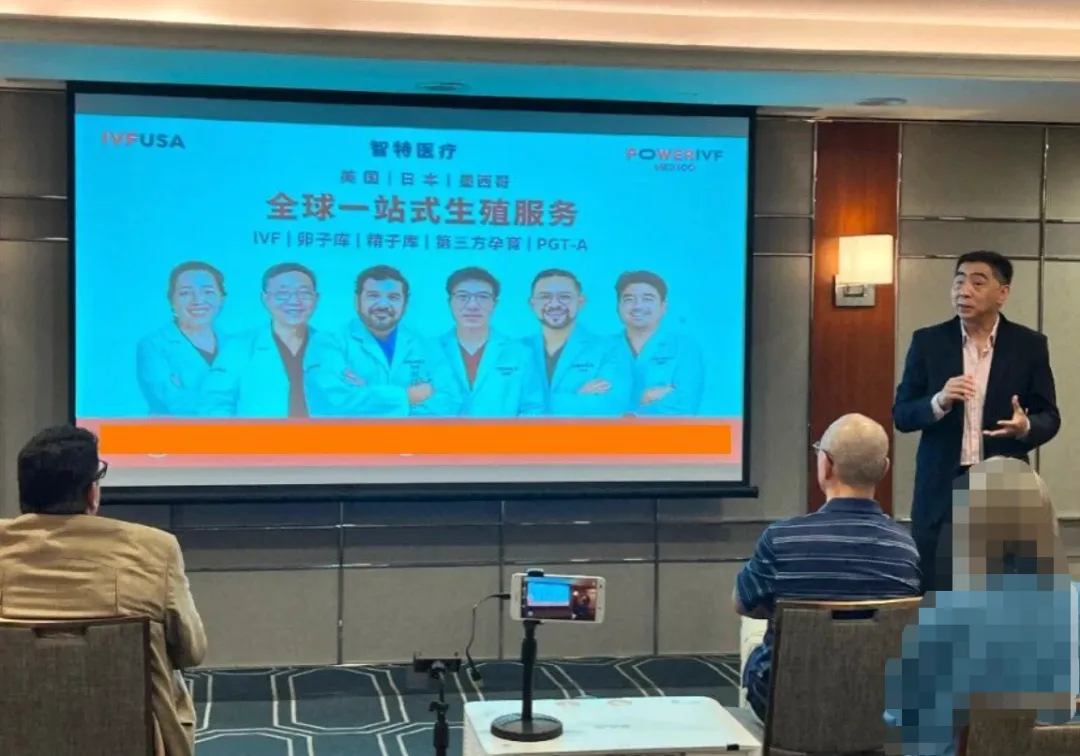
The IVF USA team founded by Dr. Nathan Zhang has been engaged in overseas assisted reproductive consultation services for more than 10 years, providing services including egg freezing in the United States, IVF in the United States, and third-party assisted reproduction for those in need. With nearly 20 years of experience in the overseas assisted reproduction field, IVF USA recognized the growing diversity and individualization of reproductive needs and entered the Mexican market early, becoming the Chinese representative of Power Fertility Center Mexico POWER Reproductive Center (POWER IVF). Dr. Nathan Zhang's services have now expanded beyond the United States to include IVF and egg freezing in Mexico, IVF and egg freezing in Japan and Thailand, as well as regions including Taiwan and Hong Kong. For different stages of reproductive needs, clarifying the timeline, egg preservation, and embryo planning first makes it easier to move through each subsequent step at your own pace.