Hello! I'm delighted to provide you with exclusive one-on-one consultation.
How can I assist you?
What is the process and cost of egg freezing?

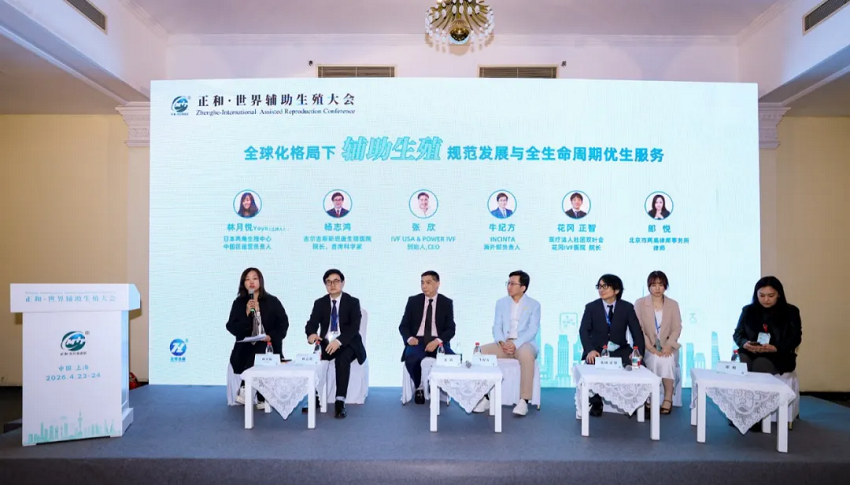
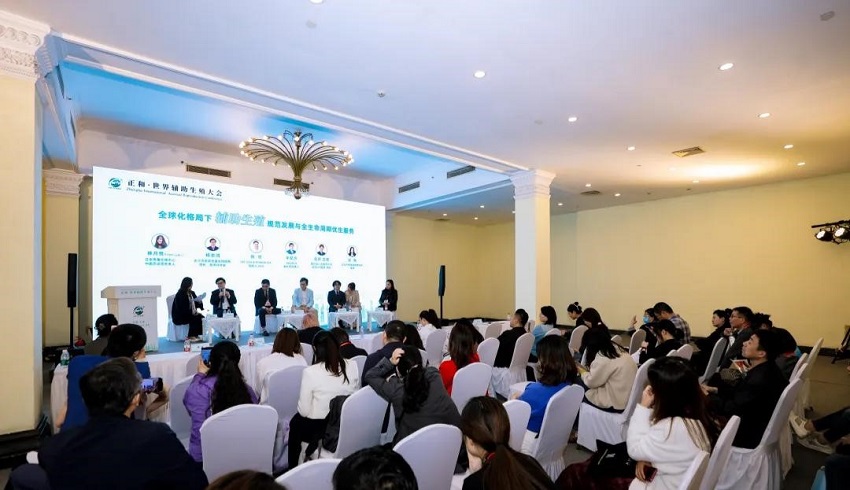
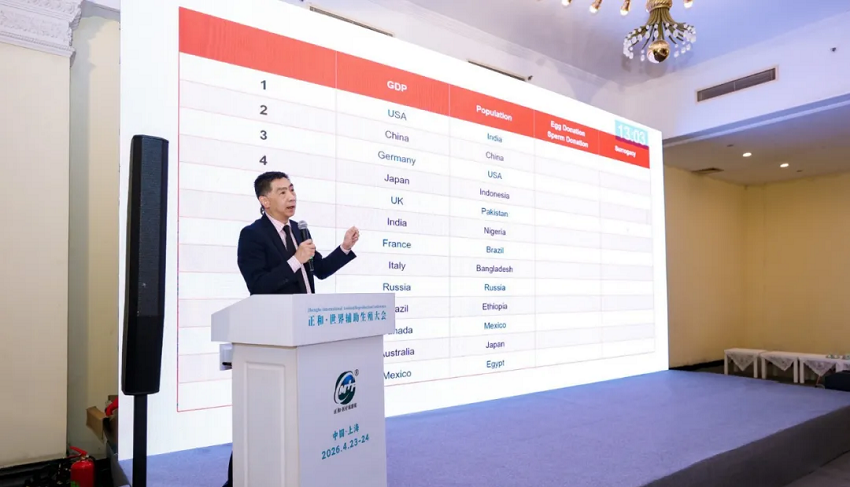
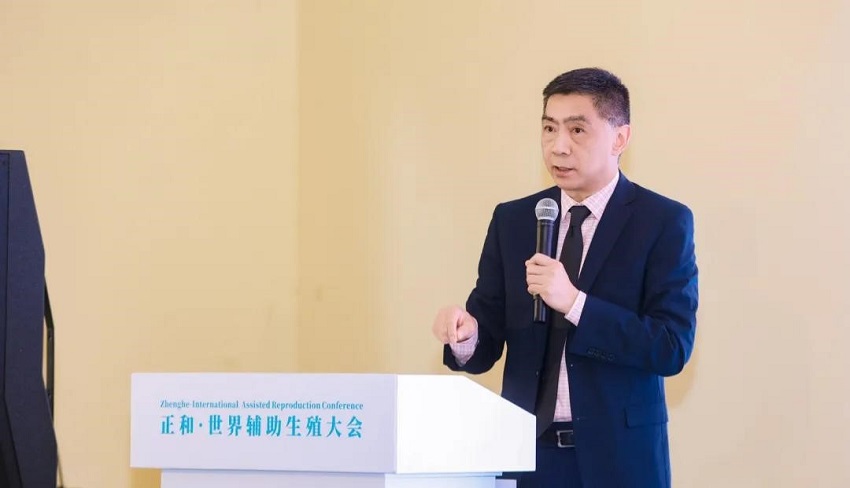
Recently, Dr. Nathan Zhang, founder of IVF USA and founder/CEO of IVF USA & POWER IVF, was invited to attend the World Assisted Reproduction Conference, where he delivered a keynote speech titled “An Integrated Cross-Border Assisted Reproductive Medical System Across the United States, Japan, and Mexico” and participated in a roundtable forum. The conference brought together reproductive medical institutions, cross-border healthcare service providers, and legal experts from multiple countries. Dr. Nathan Zhang’s presentation focused on a new cross-border pathway centered on “tri-country coordination, resource integration, and client stratification,” attracting significant attention from attendees.
16 Years of Focus: From a Single U.S. Pathway to Tri-Country Coordination
As a senior expert with nearly 20 years of experience in overseas assisted reproduction, Dr. Nathan Zhang first reviewed the development trajectory of IVF USA. “Over the past 16 years, we focused exclusively on the U.S. market to build a solid foundation in clinical practice, laboratory systems, and service models. Two years ago, we successfully replicated the U.S. medical system in Mexico. Within this year, we will bring the same system to Japan.”

During his presentation, Dr. Nathan Zhang clearly outlined IVF USA’s non-intermediary consulting model: for 16 years, IVF USA has not accepted any fees from clinics or physicians. All recommendations are based on clients’ actual conditions and success rate data rather than commercial incentives. “When a client comes to us, we determine which clinic, which doctor, and which stimulation protocol to use based on what combination gives them the highest probability of success in one attempt. That is our core logic.”
U.S. System: Strong Clinical Foundation with Third-Party Resource Constraints
Speaking about the U.S. market, Dr. Nathan Zhang noted that it remains the most clinically advanced assisted reproduction market globally, with a relatively comprehensive legal framework that supports married couples, single individuals, and diverse family structures. However, the current challenge lies in the imbalance between supply and demand for third-party reproductive resources. The number of related service agencies has grown from fewer than 50 fifteen years ago to approximately 1,000 today, with varying levels of quality, making selection increasingly complex.
“For families of advanced age who need results within a limited timeframe, the precision of doctor selection directly impacts the outcome. For a 40-year-old woman with an AMH level of 1.3, whether she can obtain a healthy embryo in one cycle depends on the physician’s real-world data from similar cases.”
Mexico System: U.S. Technical Standards with One-Third the Cost and Local Resources
Mexico represents the first fully developed system IVF USA established outside the United States. Dr. Nathan Zhang explained four key reasons for choosing Mexico: an open legal framework (allowing single individuals and diverse families to access reproductive services), abundant local resources (Mexico City’s population of 22 million provides a sufficient pool of egg donors), physician qualifications (Mexico has a specialized REI certification system), and geographic proximity (bordering the U.S., enabling efficient resource coordination).
“In Mexico, we spent a year and a half fully replicating the U.S. laboratory systems, clinical workflows, and quality control standards. The embryology lab is led by a U.S.-trained HCLD-level laboratory director, maintaining the same technical standards as in the U.S., while overall costs are approximately one-third.” Dr. Nathan Zhang also highlighted that the Mexico POWER Reproductive Center has established its own donor pool, significantly reducing costs that would otherwise reach tens of thousands of dollars in the U.S.
Japan Expansion: Asia’s Hub with Cross-Border Transport Advantages
Japan is the latest component in IVF USA’s tri-country integration strategy. At the conference, Dr. Nathan Zhang announced for the first time that IVF USA will establish a full-service assisted reproduction terminal in Japan within the year, rather than operating through intermediary partnerships.
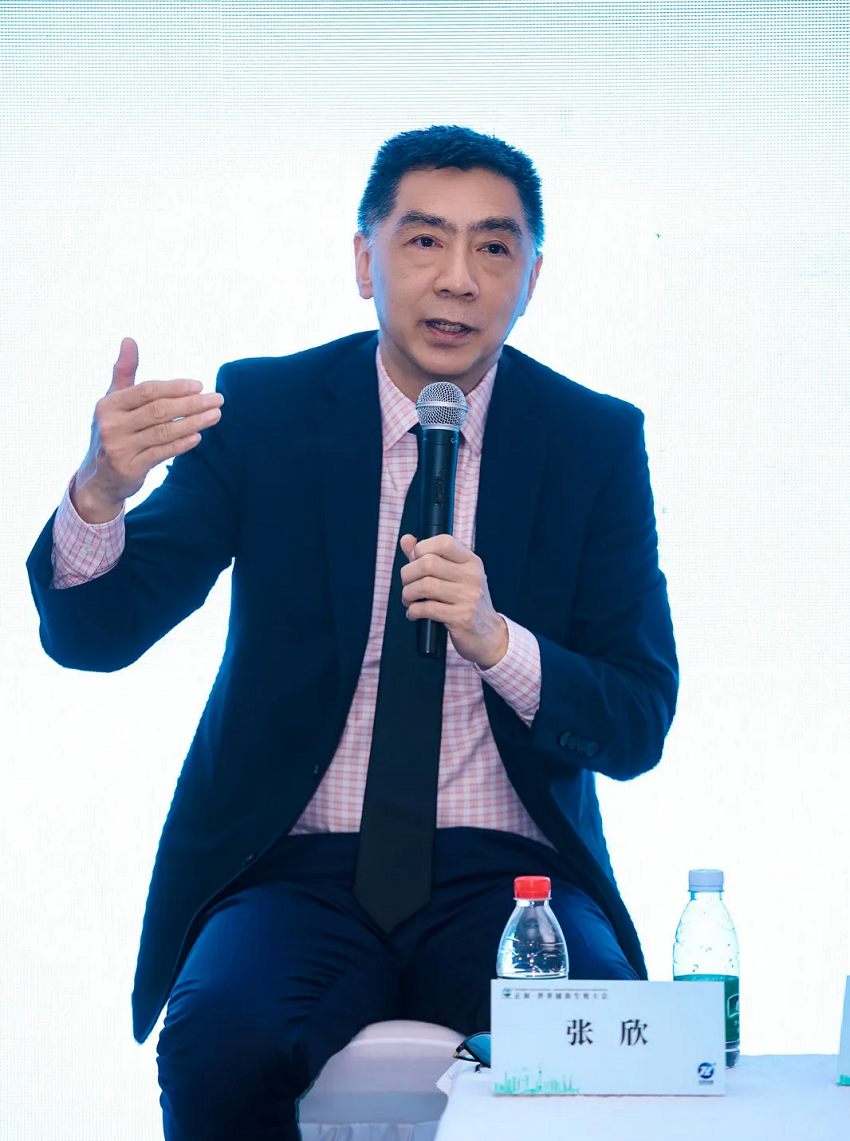
“Japan is the only country in Asia where cross-border transport of sperm, eggs, and embryos can be conducted freely. A Chinese client can complete storage domestically in the morning, and the samples can arrive in Japan the same evening. What we aim to provide in Japan is not cost efficiency, but convenience.” Dr. Nathan Zhang outlined the division of roles among the three countries: Mexico focuses on cost-effectiveness and surrogacy, the U.S. on advanced clinical care and identity planning, and Japan on regional hub functions and fertility preservation.
The Unique Advantage of Chinese Resources: Laboratory Directors
At the conclusion of the roundtable discussion, Dr. Nathan Zhang shifted focus to the future of the industry. He noted that there are approximately 50 Chinese scientists currently serving as laboratory directors at national-level reproductive centers in the United States. “China may not yet hold a leading position in clinical medicine, but we have deep expertise in laboratory science. These Chinese laboratory directors are the most critical resource for the future of this field. Physicians often face licensing limitations across borders, but laboratory directors can enter any country and any lab, rapidly elevating its standards.”
Closing Remarks
In his concluding statement, Dr. Nathan Zhang said, “It took us 16 years to fully understand that cross-border assisted reproduction is not about sending clients to a specific country. It is about matching each family’s age, budget, identity planning, and emotional needs with the most suitable country and strategy. The coordinated system across the United States, Mexico, and Japan is our answer for the next decade for Chinese families.”
IVF USA will continue to advance and refine its integrated tri-country system, providing more professional, transparent, and sustainable solutions for cross-border reproductive needs, including those of older families, single women, and diverse family structures.


Online Customer Service

In-Vitro Fertilization (IVF)
Female Egg Freezing

Fertility Assessment

Scan for Consultation

Back to Top